
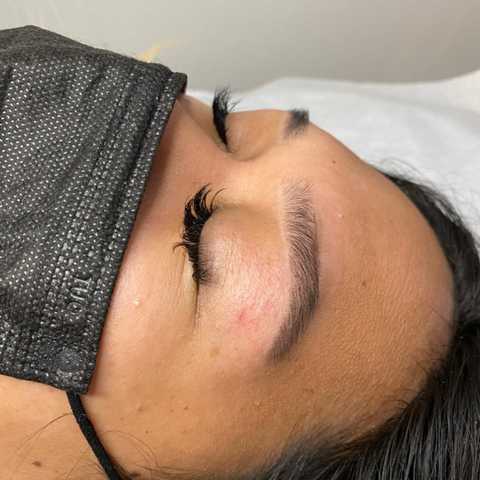
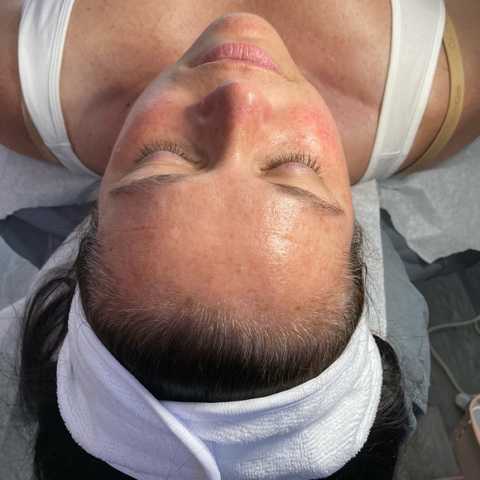
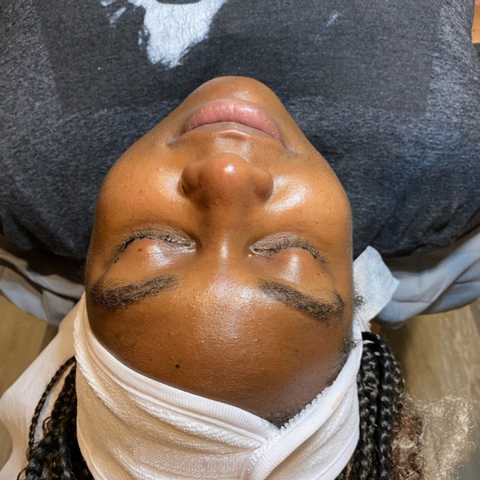
Brow Threading Gallery
$$MultiPurposeText$$
See examples of our Brow Threading work and results.




What Our Clients Say
$$MultiPurposeText$$
Read testimonials from our satisfied customers

She does my eyebrows and she’s the best

...more
Frequently Asked Questions
Get answers to common questions about Brow Threading.
Most clients enjoy clean brows for three to six weeks, depending on individual hair growth cycles. Maintenance appointments every 4–6 weeks keep shape consistent. Faster regrowth may require more frequent visits, while slower growth extends time between sessions.
Most clients feel mild stinging or pulling during threading, but discomfort is brief. Avoid caffeine before appointments, breathe deeply, and communicate with your technician. Topical numbing isn't usually necessary; cooling or soothing gel is applied after to calm skin.
Yes — threading is often recommended for sensitive and acne-prone skin because it avoids adhesives and heat. Technicians use gentle technique and sanitary thread. Inform your specialist about active breakouts or treatments to tailor the service and minimize irritation or spread.
Arrive with clean, makeup-free brows and avoid exfoliating or waxing for at least a week. If using retinol or strong actives, pause per your provider's advice to reduce sensitivity. Hydrated skin responds better, but avoid heavy creams on appointment day.
Avoid touching the area for the first few hours and skip saunas, intense workouts, or makeup for 24 hours. Apply gentle cooling gel or aloe to soothe redness. Use SPF when going outside to protect freshly-threaded skin.
Absolutely — threading provides precise control to sculpt thick, coarse, or unruly brows. A skilled technician can thin, define arches, and clean lines while preserving natural shape. Multiple sessions help refine longer-term growth patterns for an ideal, manageable brow.